ES
ES Email
Email
 760-340-2026
 Find Us
 DENTIST REFERRALS
Appearance & Social Anxiety: Will Braces or Clear Aligners Affect My Speech and Confidence?

Key Takeaways
-
Speech Adaptation: Any minor lisp or speech alteration after getting clear aligners or braces is temporary, typically resolving within 2 to 7 days (and at most within two weeks) as your tongue adapts.
-
Workplace & Social Discretion: Options like Invisalign® clear aligners are virtually invisible on video calls and in-person meetings, allowing you to maintain full professional confidence without worrying about how you look.
-
Rapid Recovery Tip: Practicing reading aloud, speaking in front of a mirror, or singing for 5 to 10 minutes a day trains your tongue's muscle memory and speeds up speech normalization.
-
The Social Benefit: Answering questions about your treatment with an open, confident smile projects positive energy and frames your care as a proactive investment in your future.
-
No Referral Needed: You can schedule a direct consultation with our specialist team at any time—no general dentist referral required!
Whether you are presenting in a board meeting, speaking with clients, or attending social events, it is completely natural to wonder how orthodontic treatment will affect your everyday confidence, speech, and appearance. Many adult and teenage patients worry that wearing aligners or braces might cause a noticeable lisp, make them stumble over words, or leave them feeling hyper-aware of their smile.
The great news? Modern orthodontic treatments are engineered for minimal disruption to your lifestyle, speech, and professional presence. Any initial awkwardness is short-lived, while the boost to your long-term confidence lasts a lifetime.
How Orthodontics Affects Speech (and Why It's Temporary)
To pronounce sounds like "s," "z," "th," "sh," and "ch," your tongue relies on precise contact with the roof of your mouth, the backs of your upper front teeth, and your lips.
When you first receive clear aligners or have orthodontic appliances placed, your mouth experiences subtle changes:
-
Clear Aligners: Adding a thin layer of smooth plastic slightly thickens the tooth surface and alters airflow and tongue-anchoring points. You may also experience a brief increase in saliva production, which can temporarily affect speech fluidity.
-
Traditional / Ceramic Braces: Brackets and wires add a small amount of bulk to the front of your teeth, which can temporarily touch your lips or tongue.
-
The Brain's Learning Curve: Speech is automatic, but when oral anatomy changes, your brain takes a moment to recalibrate—much like breaking in a new pair of shoes.
Speech Recovery Timeline
-
The Reality: For the vast majority of patients, any slight lisp or speech change vanishes within 2 to 7 days as the tongue learns its new resting position.
-
How to Speed It Up: Read a book, article, or presentation script aloud to yourself for 5 to 10 minutes a day. Focus on enunciation; your tongue will rapidly adjust to the new contours.
Aligners vs. Braces: Maintaining Your Workplace & Social Presence
| Invisalign® Clear Aligners | Modern Aesthetic Braces |
|---|---|
| Virtually invisible on Zoom and in-person | Low-profile, smooth bracket design |
| Removable for crucial speeches and meals | Continuous, hands-off treatment |
| Smooth medical-grade plastic | Customized clear/ceramic bracket options |
1. Invisalign® Clear Aligners
Crafted from smooth, medical-grade clear plastic, aligners fit snugly over your teeth. They are practically unnoticeable during in-person conversations, public speaking engagements, and HD video calls. If you have an exceptionally critical presentation or photo shoot, aligners offer the flexibility of being removable for brief periods.
2. Modern Aesthetic Braces
Today's brackets are significantly smaller, smoother, and more streamlined than the bulky braces of the past. Aesthetic ceramic or clear bracket options blend in naturally with your enamel, providing a low-profile look for adults, teens, and young adults who prefer fixed appliances. You can even personalize them with subtle or clear bands for a discreet look, or bold colors to match your personal style.
Embracing the Social Side: Building Confidence During Treatment
Feeling a bit hyper-aware during your first few days is completely normal, but changing your perspective can turn your treatment into a source of pride:
Focus Outward: Shift your focus from how your mouth feels to the conversation itself. Most people notice your overall energy and eyes far more than your teeth.
Braces are an Investment: Wearing aligners or braces shows that you care about your personal health, wellness, and future.
Handling Questions from Friends & Coworkers: Curiosity comes from genuine interest, not judgment. Responding calmly and openly builds respect:
“Does it hurt?” → “Only a little tenderness for a couple of days after an adjustment, but it's totally manageable!”
“Why Invisalign/Braces?” → “I'm taking steps to align my bite and invest in my long-term smile!”
Long-Term Speech & Emotional Benefits: Beyond creating a straight smile, correcting overbites, underbites, or crowding gives your tongue more room to articulate clearly. Straightened teeth support better oral posture, clearer speech resonance, and a lifetime of uninhibited smiling.
Visuals & Patient Guidance
Case Studies
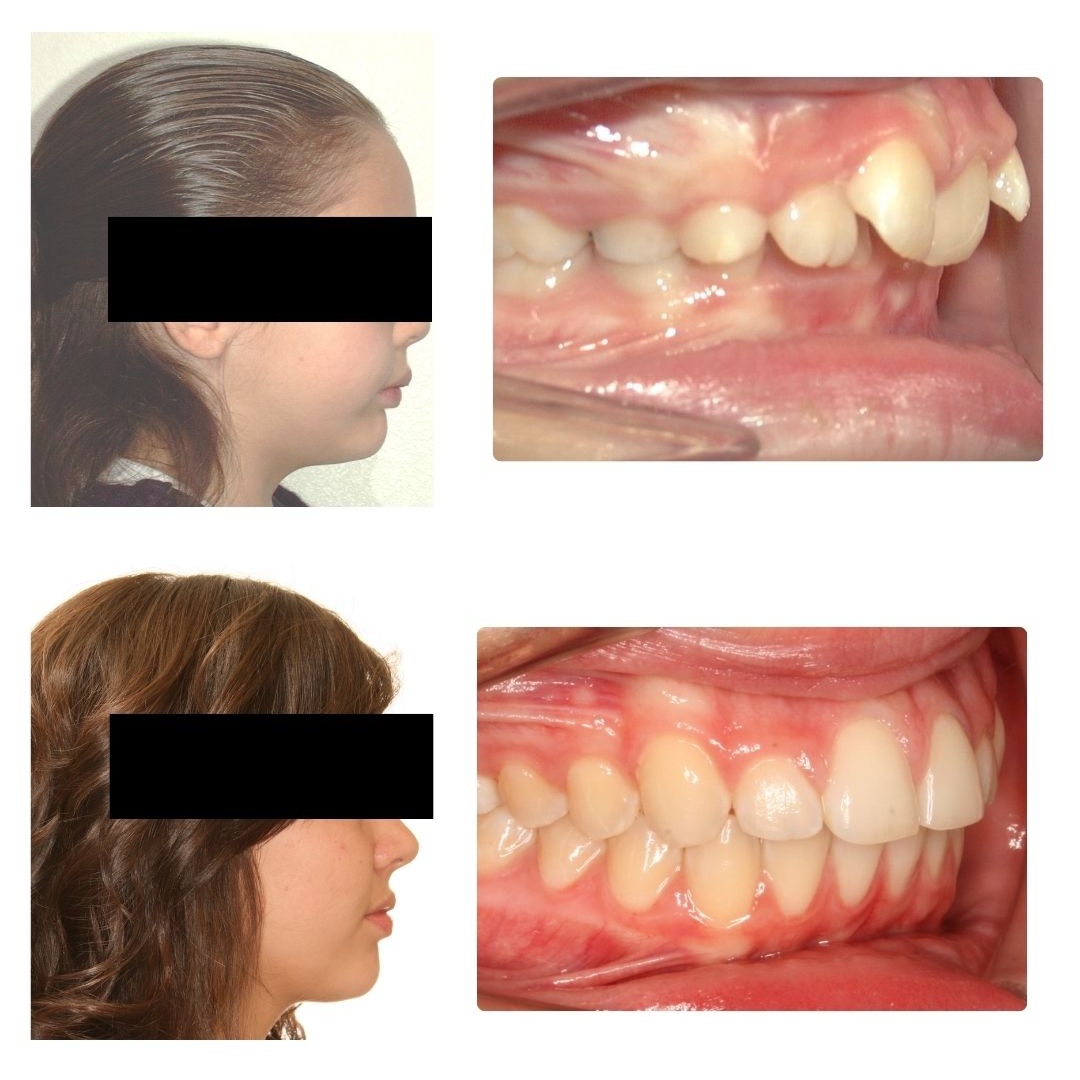
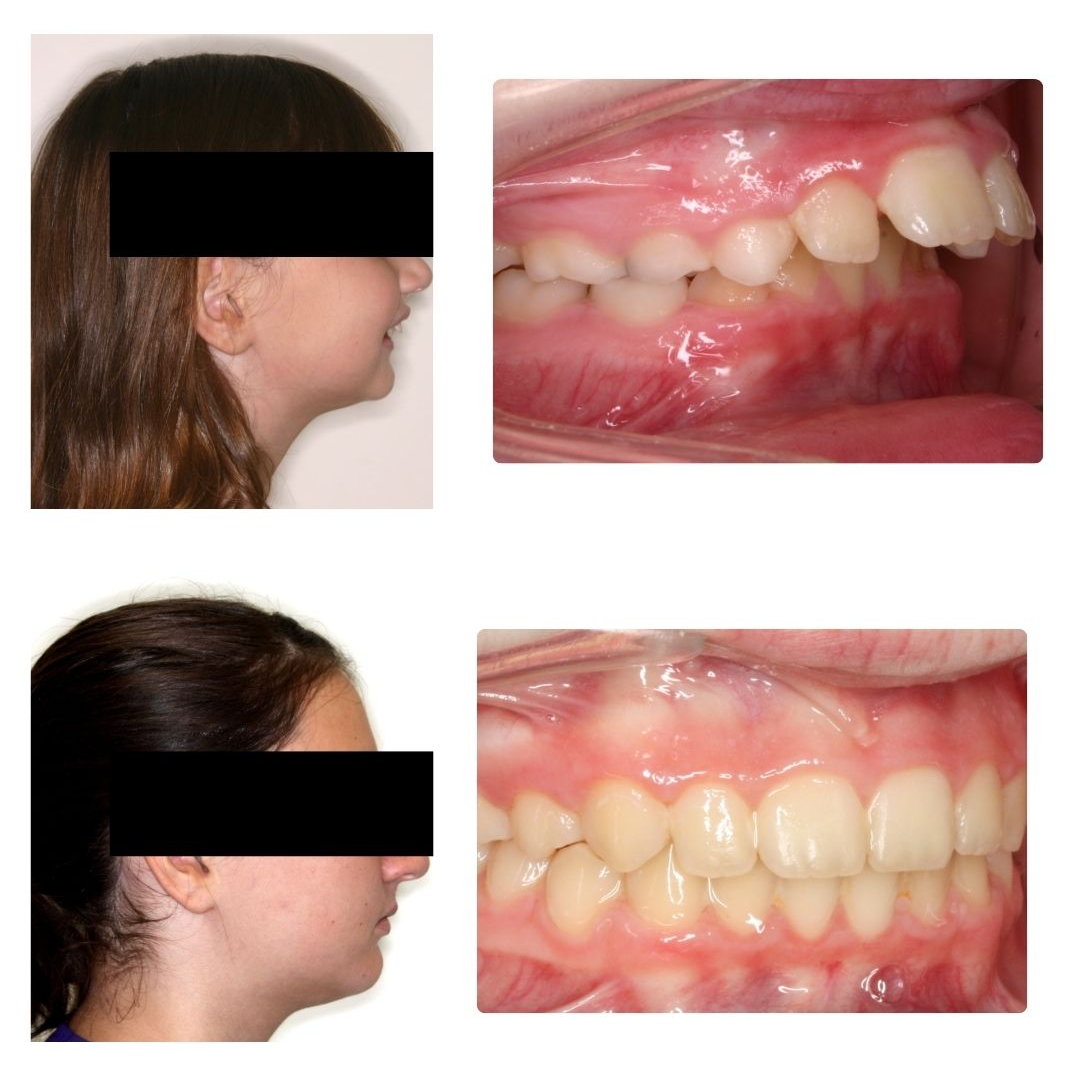
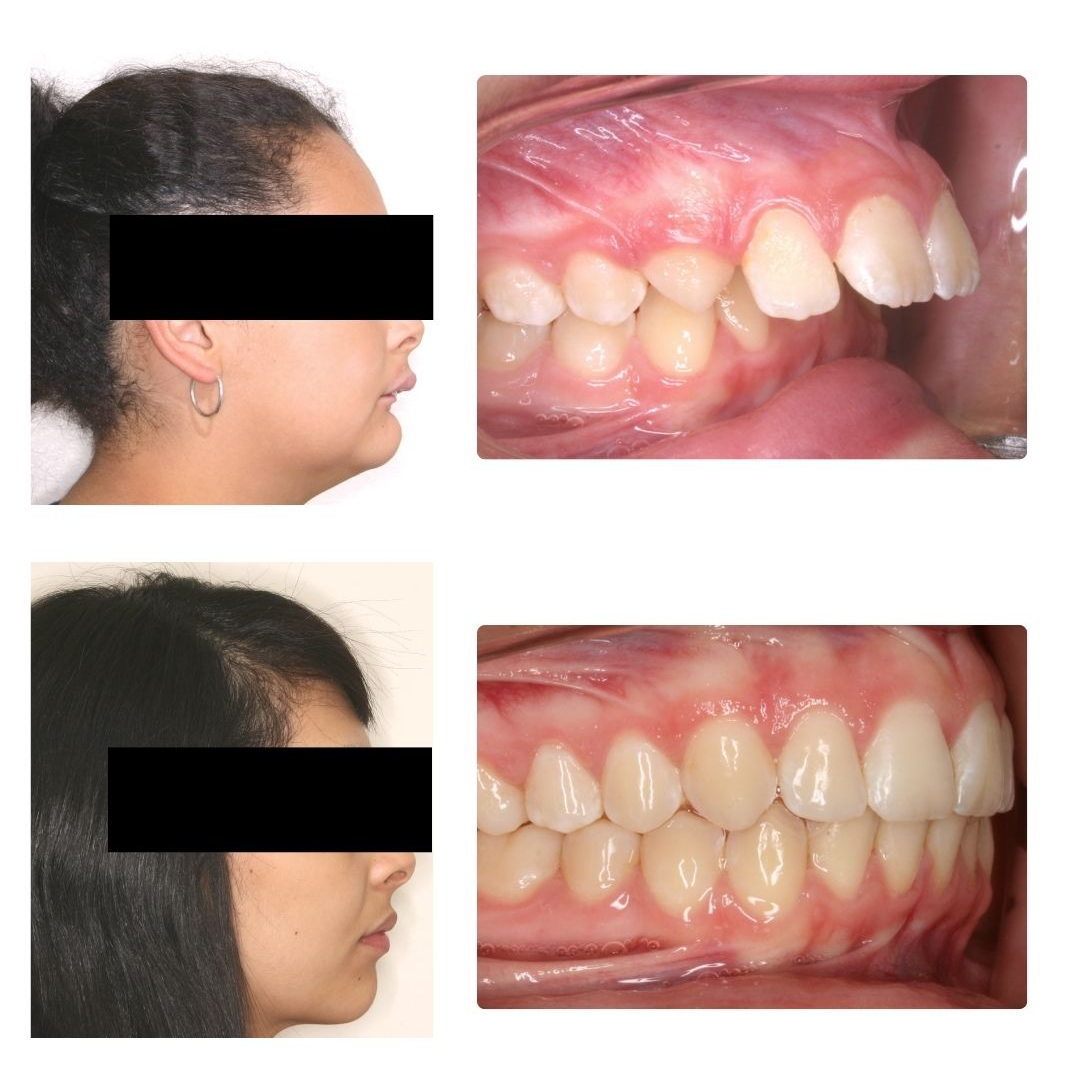
Real transformations from Dr. Mina Narula's practice showing discreet treatment journeys and final results.
Frequently Asked Questions (Quick Q&A)
Ready to Transform Your Smile with Confidence?
You don't have to put your social or professional life on hold to achieve the smile you've always wanted. Contact Center for Orthodontics today at 760-340-2026 or book your comprehensive consultation online to get started—no referral required!
Medically reviewed by Dr. Mina Narula, DDS, MDS – Diplomate, American Board of Orthodontics, at Center for Orthodontics.
Dr. Narula has shaped almost 10,000 smiles of all ages from 4yrs to 90 yrs in 30 years. Her talent and dedication to the craft have earned her the title of Blue Diamond Invisalign® provider, making her the top 1% Invisalign® orthodontist nationwide.